September 22, 2026 · FPE Team
Remote Patient Monitoring Patients Actually Use: Fixing Device Adherence Before It Costs You
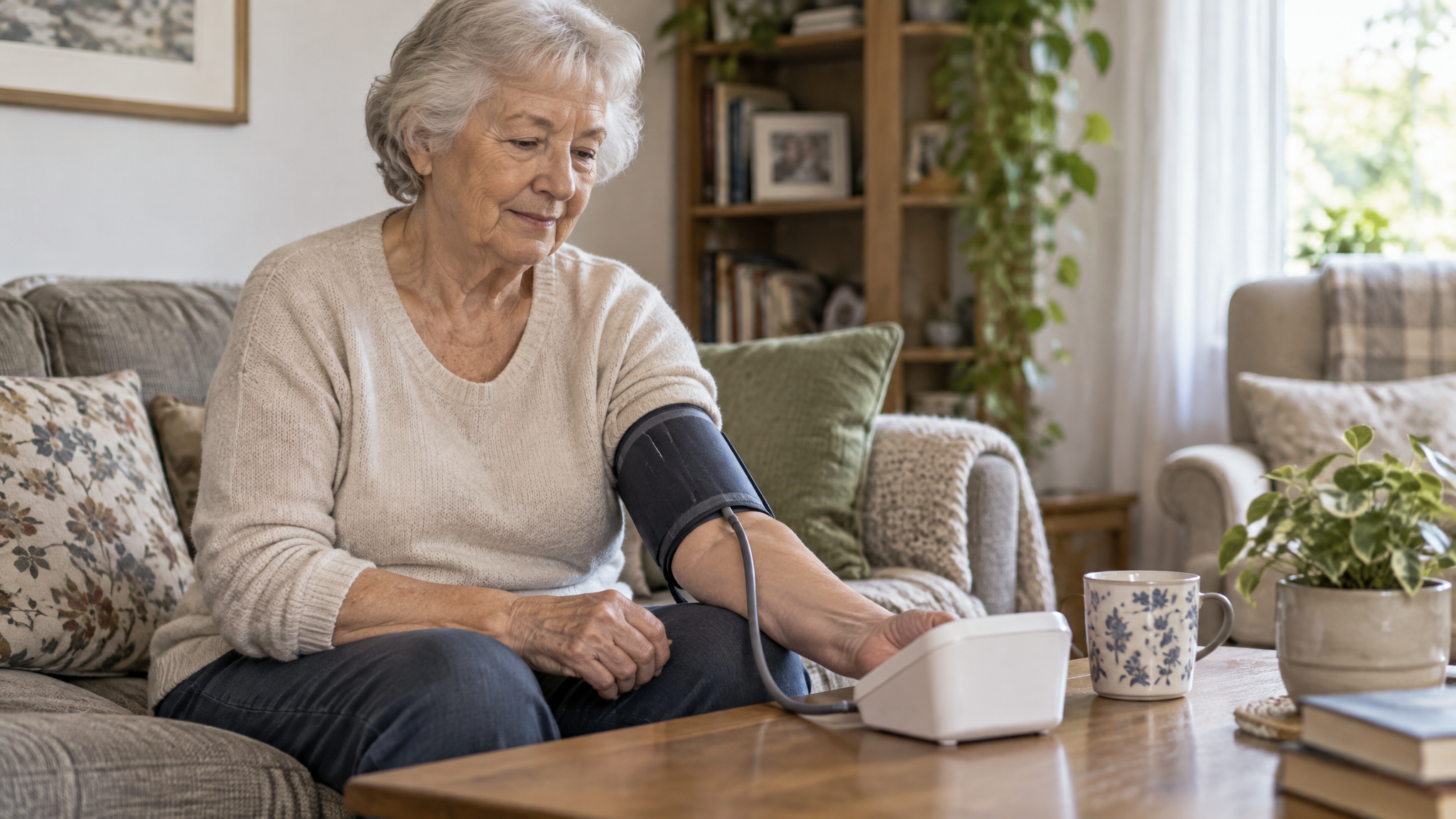
Remote Patient Monitoring (RPM) promises better control of conditions like hypertension, diabetes, and heart failure, plus a meaningful recurring revenue stream. But many programs stall for one reason: patients stop using their devices. When readings stop, clinical value disappears and so does reimbursement.
This guide explains why adherence drops, what recent Medicare changes mean, and the practical workflow that keeps patients engaged month after month.
Key takeaways
- Device adherence, not enrollment, is the real driver of RPM success.
- The CY 2026 final rule added codes for fewer days of readings and shorter management time.
- Regulators are watching RPM closely, so documentation must be complete.
- Human outreach within 48 hours of a missed reading is the strongest adherence lever.
Why RPM Matters for Chronic Disease
Uncontrolled blood pressure remains widespread. The CDC notes that high blood pressure often has no symptoms, and the World Health Organization reports that many adults with hypertension are not adequately controlled. Frequent home readings give care teams the data they need to adjust treatment sooner than quarterly visits allow.
What Changed in 2026
Historically, device supply codes required at least 16 days of readings in a 30-day period. The CY 2026 Physician Fee Schedule final rule added new codes covering 2 to 15 days of data and a shorter 10-minute management period, giving practices a way to be paid for patients who engage less often. Full payment details are available on the CMS Physician Fee Schedule hub.
Oversight is also increasing. The HHS Office of Inspector General has called for additional oversight of RPM in Medicare, which means every reading, interaction, and minute must be documented.
| Program element | Common failure | Best practice |
|---|---|---|
| Device setup | Patient never takes first reading | Guided setup call on day one |
| Daily readings | Drop-off after week two | Automated reminders plus human follow-up |
| Clinical review | Alerts reviewed late | Same-day triage protocol |
| Monthly interaction | Undocumented calls | Time-stamped notes in the EHR |
See what a fully managed RPM program looks like
FPE handles device logistics, patient onboarding, daily monitoring, and documentation for your practice.
Explore FPE Remote Patient Monitoring →Five Ways to Keep Patients Transmitting
1. Make setup effortless
Choose cellular-connected devices that work without Wi-Fi or smartphone apps. Older adults should only need to press a button. A short onboarding call on the day the device arrives, walking the patient through the first reading, prevents the most common early drop-off. Confirm the reading reached your platform before ending the call so the patient knows it works.
2. Call within 48 hours of a missed reading
Automated texts help, but a friendly human call is what brings patients back. Involve caregivers when appropriate; National Institute on Aging caregiving resources highlight how family support improves self-care.
3. Share results with patients
Patients stay engaged when they see their numbers improve. Brief monthly summaries create a sense of progress. A simple message such as "your average blood pressure dropped ten points this month" reinforces the habit far better than a generic reminder, and it gives the patient something positive to discuss with family.

4. Protect data and privacy
RPM platforms must meet HIPAA requirements for covered entities. Federal guidance on interoperability from HealthIT.gov helps ensure device data flows cleanly into the record.
5. Pair RPM with care management
RPM works best alongside a care plan. Many patients qualify for both RPM and Chronic Care Management services, which adds monthly coordination around the device data. The AMA digital health resources offer additional implementation guidance, and CMS keeps its telehealth and virtual care coverage page up to date.
Looking ahead, read our analysis of how the CY 2027 rule could disrupt remote care.
Measuring Program Health
Track a small set of metrics every week: the percentage of enrolled patients meeting the reading threshold, average days of data per patient, time from alert to clinical response, and monthly disenrollment. Review them in a short team huddle. When adherence dips for a specific group, such as patients over 80 or those living alone, adjust outreach for that group rather than for everyone. These numbers also show physicians that the program is working, which keeps them recommending it to new patients.
Frequently Asked Questions
Which conditions are best suited to RPM?
Hypertension, diabetes, heart failure, and COPD are the most common, because readings directly guide treatment decisions.
Do patients pay for devices?
Device costs are typically covered through the practice's RPM program, though standard Medicare cost sharing may apply to the service.
Conclusion
A successful RPM program is not defined by how many devices ship. It is defined by how many patients keep transmitting and how quickly the care team responds. Build your workflow around adherence and the clinical and financial results follow.
How much could RPM add to your practice?
Estimate recurring revenue from RPM, CCM, and APCM in under a minute.
Calculate your revenue →Ready to talk specifics? Schedule a conversation with our RPM team, review our complete list of services, or begin onboarding today.